
"cupping protocol"
50 article(s) found

Why are Kenyan coffee beans all red? Historical Story and auction Department of Coffee cultivation and production in Kenya
How beans are processed: a specific agreement has been established during the processing of beans in Kenya, which can produce reliable and high-quality products, all processed by wet process. this tends to produce cleaner, brighter, more fruity cups. Kenyan coffee is mostly red because only fully mature red is selected during the picking process.

Basic chemical reactions in the roasting process of coffee in both Chinese and English
Original: Basic Chemical Reactions Occurring in the Roasting Process by Carl Staub sourced from the SCAA Roast Color Classification System developed by Agtron-SCAA in 1995 Many thermal and chemical reactions occur during the roasting proces

Explanation of the basic chemical reaction of coffee roasting in both Chinese and English
Original: Basic Chemical Reactions Occurring in the Roasting Process by Carl Staub sourced from the SCAA Roast Color Classification System developed by Agtron-SCAA in 1995 Many thermal and chemical reactions occur during the roasting proces
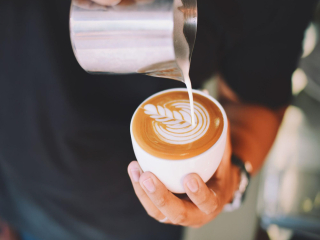
The rules of the 2023 World Barista Competition are updated! WBC allows the use of plant milk / other animal milk to enter the competition
Professional coffee knowledge exchange more coffee bean information please follow the coffee workshop (Wechat official account cafe_style) more boutique coffee beans please add private Wechat Qianjie Coffee, on December 22, the Fine Coffee Association released the 2023 World Barista Championship (

What's the quality of Robusta coffee? is Robusta boutique coffee?
Is Arabica coffee the only coffee that can be considered high quality? Is Robusta always synonymous with poor quality? Robusta coffee accounts for about 40% of global coffee production. It grows faster than Arabica and is more tolerant to extreme weather conditions, but it often does not receive the same attention in the production and processing process. Robusta caffeine

Las Delicias Farm in El Salvador how much coffee is produced in El Salvador?
Professional coffee knowledge exchange more information about coffee beans Please pay attention to the coffee workshop (Wechat official account cafe_style) El Salvador (El Salvador) is one of the small countries in Central America, with a very dense population. The flavor of its coffee is characterized by excellent balance. Today, this coffee accounts for 40% of the country's exports. 35% of the extra hard beans are exported after the best quality coffee comes out from January to March.

Seven tea-producing regions of Sri Lankan black tea introduce where Lipton Ceylon black tea and milk tea are specially produced.
The tea area of Ceylon did you know that 4% of the land in Sri Lanka is a tea garden? Anyone who really loves Ceylon tea knows that every tea producing area in Sri Lanka produces tea with its own characteristics. Tea is grown in seven regions of Sri Lanka. They are different from each other because they are all at 3000 to 8000 feet.

The introduction to Coffee textbook introduces the basic knowledge of coffee and the two skills of roasting and extraction.
Professional coffee knowledge exchange more coffee bean information please follow the coffee workshop (Wechat official account cafe_style) coffee books recommendation | popular science reader "Coffee Coffee everywhere" in addition to brewing coffee and making various coffee-related drinks, you can also learn more if you want to be promoted to become a coffee expert, this book will be the first book to accompany you to get started! The author Takuchi Junying for opening

Tell you how anaerobic coffee beans ferment? Basic principles and process requirements of Coffee processing
Professional coffee knowledge exchange more coffee bean information please follow the coffee workshop (Wechat official account cafe_style) Coffee fermentation is a natural process by which microorganisms such as yeast (Saccharomyces cerevisiae) and bacteria (lactic acid bacteria) consume and metabolize compounds such as sugars and acids in coffee cherries.
The significance of coffee cup test factors affecting coffee cup test coffee cup test process steps
If the extraction rate of each cup of coffee on the table is different, then does it make sense to write a cup test note? For anyone who wants to buy, sell or roast coffee, the cup test is an essential evaluation tool. It can be used to compare batch differences, identify flavor profiles, identify green beans and baking defects, and help you trade by region and baking degree.

What kind of coffee is boutique coffee? Can Brazilian boutique Robsta be called boutique coffee?
Boutique coffee is usually associated with Arabica coffee beans, while robusta beans are usually associated with commercial coffee, instant coffee or blended coffee. Although Arabica caffeine is famous for producing cup contours suitable for special coffee, the key to its success lies in its attention and attention to its production and processing processes, as well as the resources and research invested to encourage its production. This shows that, yes,

The basic chemical reaction of coffee knowledge during coffee roasting.
Many thermal and chemical reactions take place during baking: decarbonation, dehydration of quinic acid, subdivision, isomerization, polymerization, and complex sugar reactions (caramelization). The main components of the thermal reaction are monosaccharides and sucrose, chlorogenic acid, free amino acids, and fenugreek amide. Both aravinose and calactose in the polysaccharides are transferred, and the basic vulcanization process includes hydroxylamine.

How to ensure the consistency and quality of coffee fermentation? why do coffee treatments have to be fermented?
Bread, wine, cheese, yogurt, chocolate, coffee: what do all these delicious foods have in common? Fermentation is very important in coffee. It can not only remove mucus, but also affect many tastes and sensory properties. Controlling coffee during processing means you can improve quality and consistency. But the fermentation is complicated, at the farm level.

How does the sour and bitter in coffee come from?
Many thermal and chemical reactions take place during baking: decarbonation, dehydration of quinic acid, subdivision, isomerization, polymerization, and complex sugar reactions (caramelization).
Basic chemical reactions that occur during coffee roasting
Many thermal and chemical reactions take place during baking: decarbonation, dehydration of quinic acid, fragmentation, isomerization, polymerization, and complex sugar reactions (caramelization). The main thermally reactive components are monosaccharides and sucrose, chlorogenic acid, displaced amino acids, and trigonelline amide. Both aravinone and calactose in polysaccharides are transferred, and basic sulfurization contains hydroxyamino acids.
The basic chemical reaction of coffee roasting process
Many thermal and chemical reactions take place during baking: decarbonation, dehydration of quinic acid, subdivision, isomerization, polymerization, and complex sugar reactions (caramelization). The main components of the thermal reaction are monosaccharides and sucrose, chlorogenic acid, free amino acids, and fenugreek amide. Both aravinose and calactose in the polysaccharides are transferred, and the basic vulcanization contains hydroxylated amino acid.
The basic chemical reaction that takes place during coffee roasting.
Many thermal and chemical reactions take place during baking: decarbonation, dehydration of quinic acid, subdivision, isomerization, polymerization, and complex sugar reactions (caramelization). The main components of the thermal reaction are monosaccharides and sucrose, chlorogenic acid, free amino acids, and fenugreek amide. Both aravinose and calactose in the polysaccharides are transferred, and the basic vulcanization process includes hydroxylamine.

The basic chemical reactions that take place during coffee roasting
Many thermal and chemical reactions take place during baking: decarbonation, dehydration of quinic acid, subdivision, isomerization, polymerization, and complex sugar reactions (caramelization). The main components of the thermal reaction are monosaccharides and sucrose, chlorogenic acid, free amino acids, and fenugreek amide. Both aravinose and calactose in the polysaccharides are transferred, and the basic vulcanization process includes hydroxylamine.
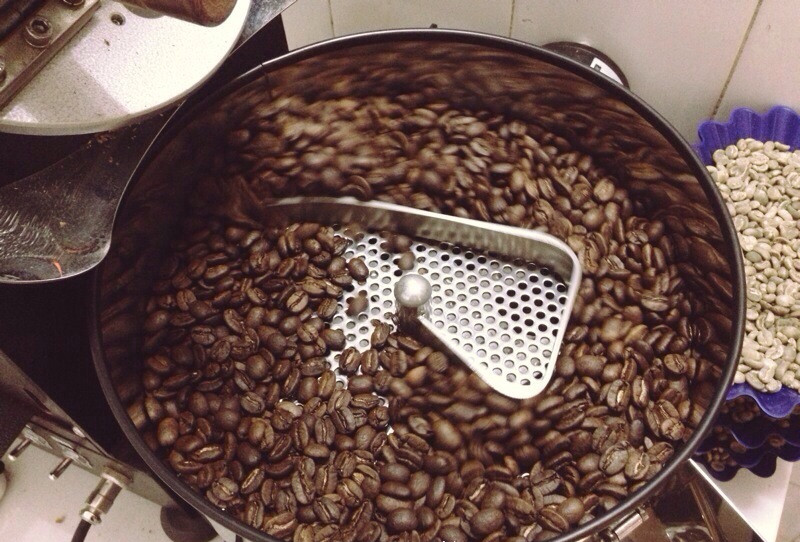
Basic chemical reactions of coffee beans during coffee roasting
Many thermal and chemical reactions take place during baking: decarbonation, dehydration of quinic acid, subdivision, isomerization, polymerization, and complex sugar reactions (caramelization). The main components of the thermal reaction are monosaccharides and sucrose, chlorogenic acid, free amino acids, and fenugreek amide. Both aravinose and calactose in the polysaccharides are transferred, and the basic vulcanization process includes hydroxylamine.
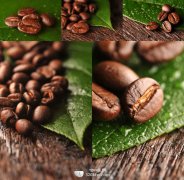
The basic chemical reactions that take place during coffee roasting
Many thermal and chemical reactions take place during baking: decarbonation, dehydration of quinic acid, subdivision, isomerization, polymerization, and complex sugar reactions (caramelization). The main components of the thermal reaction are monosaccharides and sucrose, chlorogenic acid, free amino acids, and fenugreek amide. Both aravinose and calactose in the polysaccharides are transferred, and the basic vulcanization process includes hydroxylamine.